.jpg)
Global Currents: Trends Shaping the Aquatics Industry

In our interconnected world, aquatics is truly a global community. The challenges—and opportunities—facing our industry are influenced by trends, regulations, and innovations that cross borders and oceans. For this month’s column, we’ll explore the global currents shaping the aquatics industry, highlight regulatory changes and innovations, and offer actionable steps to help aquatic professionals stay ahead.
Emerging Developments in Global Aquatics
Water Safety Initiatives
Drowning prevention remains a universal concern, and there has been a worldwide push for stronger water safety education. Organizations such as the World Health Organization (WHO) and the International Lifesaving Federation (ILS) have released new guidelines and resources on drowning prevention. Countries like Australia and the UK are rolling out updated curricula for swim lessons and public awareness campaigns, emphasizing early education and parental involvement.
Actionable Direction:
Sustainability and Environmental Responsibility
With climate change and water scarcity top of mind, aquatic facilities worldwide are rethinking their environmental impact. Innovations in water filtration, energy-efficient pumps, and solar heating are becoming standard in new builds and renovations. Green certifications, such as LEED and ISO 14001, are increasingly sought after.
Actionable Direction:
Conduct an energy and water audit of your facility.
Explore rebates and grants for sustainable upgrades at energy.gov or your country’s equivalent.
Share your sustainability initiatives in community outreach to inspire others.
Digital Transformation
Post-pandemic, technology has become a cornerstone of the aquatics industry. From online registration and virtual training to scheduling apps and live pool monitoring, digital solutions improve efficiency and the user experience. Wearable devices for swimmers and AI-powered safety cameras are also emerging, promising enhanced safety and analytics.
Actionable Direction:
Evaluate digital tools and platforms that streamline your operations and enhance communication.
Consider virtual training platforms for ongoing staff development.
Stay informed via publications like Aquatics International and the Association of Aquatic Professionals’ AOAP Weekly and their resource hub.
Regulatory Changes Across Borders
Lifeguard Certification Standards
Certification requirements for lifeguards are being standardized in several regions. The European Union, for example, is moving toward more unified standards, while the United States is seeing enhanced requirements for continuing education and in-service training. The COVID-19 pandemic also prompted temporary changes to certification timelines and remote learning, many of which are becoming permanent options.
Actionable Direction:
Accessibility and Inclusion Mandates
Global movements for accessibility are driving regulatory changes. Many countries are strengthening requirements for pool access, adaptive aquatics, and staff training on inclusion. The Americans with Disabilities Act (ADA) in the U.S. and the Equality Act in the UK set standards that are being echoed elsewhere.
Actionable Direction:
Audit your facility for accessibility using ADA guidelines or local equivalents.
Invest in adaptive equipment and staff inclusion training.
Partner with local advocacy groups to ensure best practices.
Innovations on the Horizon
Advanced Water Quality Management
Automated water quality monitoring, UV disinfection, and chemical-free filtration systems are reducing labor, costs, and chemical exposure. Smart sensors provide real-time alerts for pH, chlorine, and temperature, improving both safety and efficiency.
Facility Design and Multi-use Spaces
Aquatic centers are increasingly designed as multi-use community hubs, offering therapy pools, splash pads, and event spaces. Modular pool systems allow for rapid installation and flexible use, meeting diverse community needs.
Staff Wellbeing and Mental Health
The industry is recognizing the importance of staff well-being, with innovations such as mental health first aid training, flexible scheduling, and support programs to prevent burnout.
Actionable Direction:
Research and pilot smart water quality systems.
Review facility design trends in publications like Recreation Management.
Invest in staff wellbeing and mental health initiatives.
Challenges Facing the Global Aquatics Industry
Lifeguard Shortages
Many regions are facing significant recruitment and retention challenges for lifeguards. Factors include competitive job markets, demanding training requirements, and seasonal employment models. Some facilities are addressing this with higher pay, paying for training to become lifeguards and swim instructors, scholarships, bonuses, and flexible scheduling.
Financial Constraints
Rising operational costs, inflation, and limited public funding present ongoing challenges. Creative partnerships, diversified programming, and grant-seeking are helping facilities remain viable.
Health and Safety Concerns
The pandemic heightened awareness of infectious disease control. Enhanced cleaning protocols, air quality upgrades, and communication plans are now standard practice.
Actionable Direction:
Partner with local schools and colleges for lifeguard recruitment.
Apply for grants through organizations like the USA Swimming Foundation and the local government.
Share your health and safety protocols transparently with staff and patrons.
Navigating the Global Aquatics Landscape
Aquatic professionals must be agile, informed, and proactive to thrive. Here are the steps to keep your organization ahead:
Stay Connected: Join international and national aquatics organizations. Attend virtual conferences and subscribe to reputable industry journals.
Continuous Learning: Regularly update your knowledge of regulations, technologies, and best practices.
Community Engagement: Build relationships with local and global partners. Participate in knowledge-sharing initiatives.
Embrace Innovation: Pilot new technologies and be open to evolving your programs and facilities.
Where to Find Information:
Association of Aquatic Professionals: aquaticpros.org
World Health Organization: who.int
International Lifesaving Federation: ilsf.org
Aquatics International: aquaticsintl.com
Recreation Management: recmanagement.com
Athletic Business: athleticbusiness.com
Final Thoughts
The aquatics industry is shaped by powerful global currents—trends, regulations, and innovations that challenge us to grow and adapt. By staying informed and proactive, we can turn these challenges into opportunities for our organizations and the communities we serve. Let’s continue to learn from one another and share our successes as we navigate the waters ahead together.
Until next month, keep swimming with the current—never against it.
About the Author
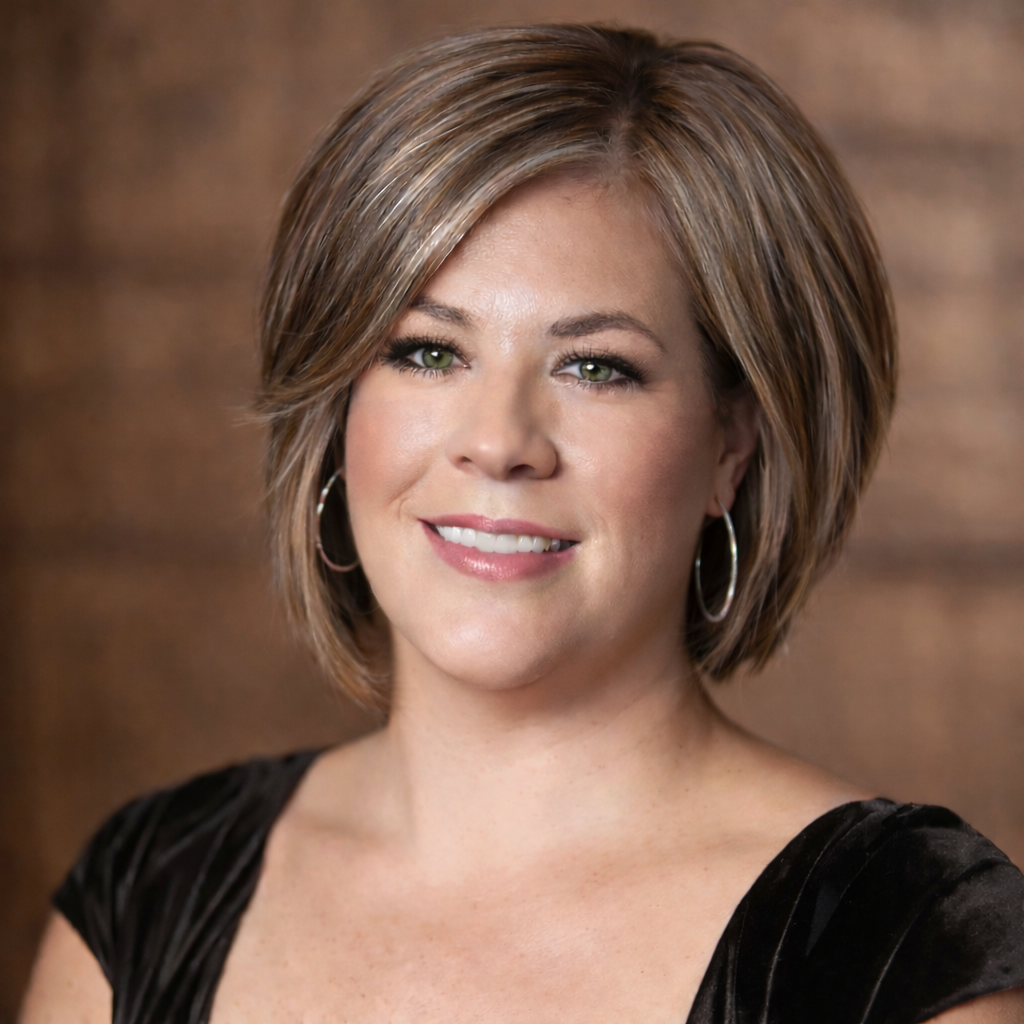
Juliene Hefter, MSOLQ, AqP, AFOI, is the Executive Director of the Association of Aquatic Professionals and a leader with over 30 years of experience in the field. You can connect with Juliene at juliene@aquaticpros.org.
Are you interested in submitting a blog post? Reach out to Kirsten at kirsten@aquaticpros.org to share your idea and learn more about the AOAP Blog.

Comments